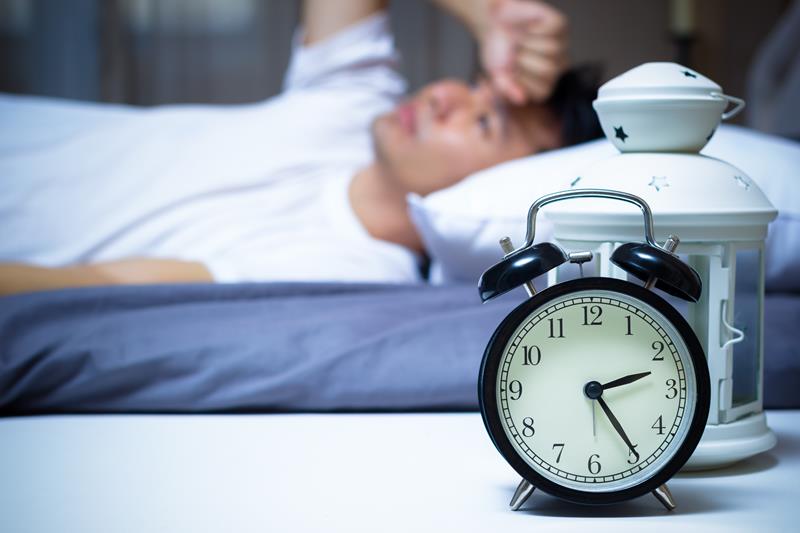
What part of the night is hardest for you? You might lie awake for hours before falling asleep, or fall asleep easily and wake at 3 a.m., tired but unable to drift off again. Knowing when you’re awake and how you feel the next day helps me understand what might be disrupting your sleep. I see adults and young people ages 10 and older in California and Georgia.
Why Trust Alyssa Rosen, MD for Your Sleep Health?
One place to start is what was happening when your sleep changed. Did it begin during a stressful stretch? Around the time you started a medication? Has it continued even though your routine is back to normal?
My background in psychiatry and internal medicine helps me consider your physical health alongside your mood, medications, and daily schedule. If you’ve already tried changing your bedtime or cutting back on caffeine, tell me what happened. That gives us a starting point for deciding what else is worth trying.
My approach blends evidence-based therapies, including cognitive behavioral therapy for insomnia, medication management when appropriate, and lifestyle guidance. I provide support in both California and Georgia, ensuring you get care that’s convenient and compassionate. You’re not just managing symptoms—you’re building sustainable habits for better nights and brighter days.
FAQs
What causes chronic insomnia?
Stress, anxiety, depression, pain, certain medications, and irregular sleep schedules can all contribute. More than one factor may be involved. A brief record of when you sleep, when you wake up, and how tired you feel during the day can help reveal a pattern.
How can therapy help with sleep problems?
If you lie awake counting how few hours are left before your alarm, the worry about tomorrow can make it even harder to settle down. Cognitive behavioral therapy for insomnia (CBT-I) addresses thoughts like these and helps you change habits that may be keeping you awake.
Are sleep medications recommended at Alyssa Rosen, MD?
Sometimes. My preference is to use as little medication as needed. If a sleep medication makes sense for you, I’ll explain what it may help with, what side effects to consider, and when to review whether it’s helping.
Can lifestyle changes really improve insomnia?
Yes. Keeping a regular wake-up time or moving your last cup of coffee earlier in the day may help. If you’ve made those changes and still spend much of the night awake, it’s worth discussing other causes and treatment options.
How do I schedule a consultation with Alyssa Rosen, MD?
You can request an appointment easily online or call us at . We’re here to support your journey toward better sleep in .