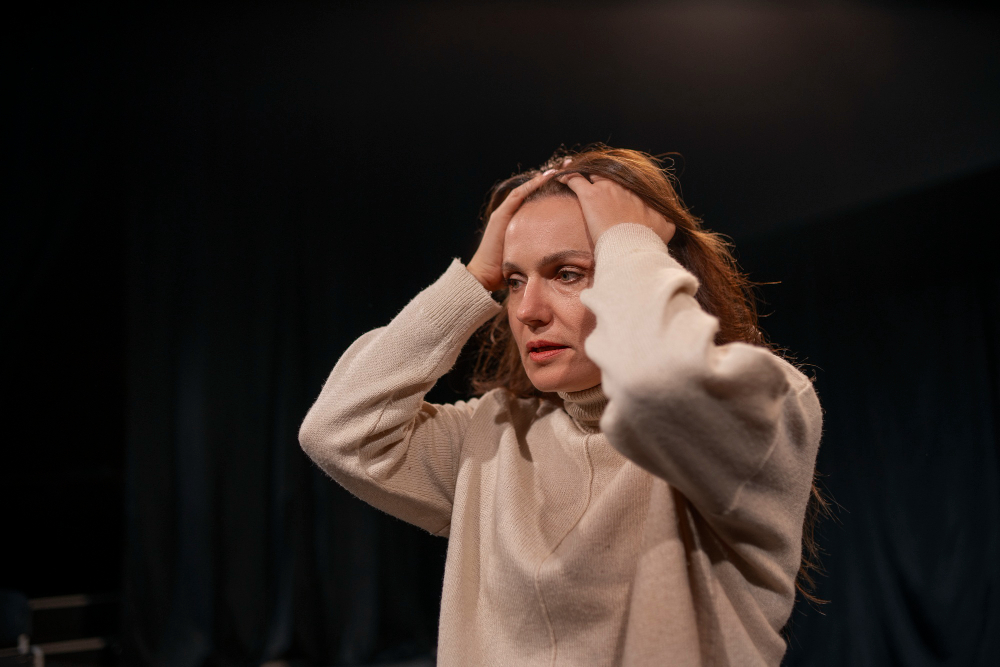
Find Calm and Confidence Beyond Panic
A panic attack can end while the worry about the next one stays with you. You might start avoiding the grocery store where it happened or feel uneasy driving somewhere alone. If the possibility of another attack is changing where you go or what you do, I can help you understand what’s happening and explore treatment. I see patients ages 10 and older in California and Georgia.
Why Choose Alyssa Rosen, MD for Panic Disorder Care?
A racing heart or sudden dizziness can be frightening, especially when it comes out of nowhere. My training in both internal medicine and psychiatry helps me consider what you felt during an episode, whether a physical symptom needs medical attention, and how the experience has affected you since.
If fear of another attack has kept you from driving alone or going out with friends, getting back to those activities can be a goal of treatment. We can talk through how therapy might help, whether medication makes sense, and what you’d like to feel comfortable doing again.
FAQs
What are the common signs of a panic disorder?
Panic disorder involves repeated, unexpected panic attacks. During an attack, you may feel a sudden rush of fear along with a racing heart, trembling, dizziness, or shortness of breath. Another sign is lasting worry about future attacks or changing your routine to avoid one.
How is panic disorder diagnosed at Alyssa Rosen, MD?
I’ll ask about the episodes, your medical history, and what changed afterward. One important distinction is whether repeated, unexpected attacks have been followed by at least a month of worry or changes in your behavior. We’ll also discuss whether another health condition could explain the symptoms.
Can panic disorder be treated without medication?
Yes. Cognitive behavioral therapy (CBT) is one option. It can help you understand why a sensation like a racing heart feels so frightening during an attack and learn ways to respond when it happens. If you’d prefer to begin with therapy, you can say so when we discuss your options.
How long does treatment for panic disorder usually take?
There’s no single timeline. Follow-up visits give us a chance to look at whether attacks are becoming less frequent, whether you feel less afraid between them, and whether you’re returning to activities you’ve missed. Those changes help guide how long to continue or when to adjust treatment.
How can I schedule an appointment with Alyssa Rosen, MD?
Scheduling is easy. Just call or request an appointment online. I am here to support you in and guide you toward recovery.